
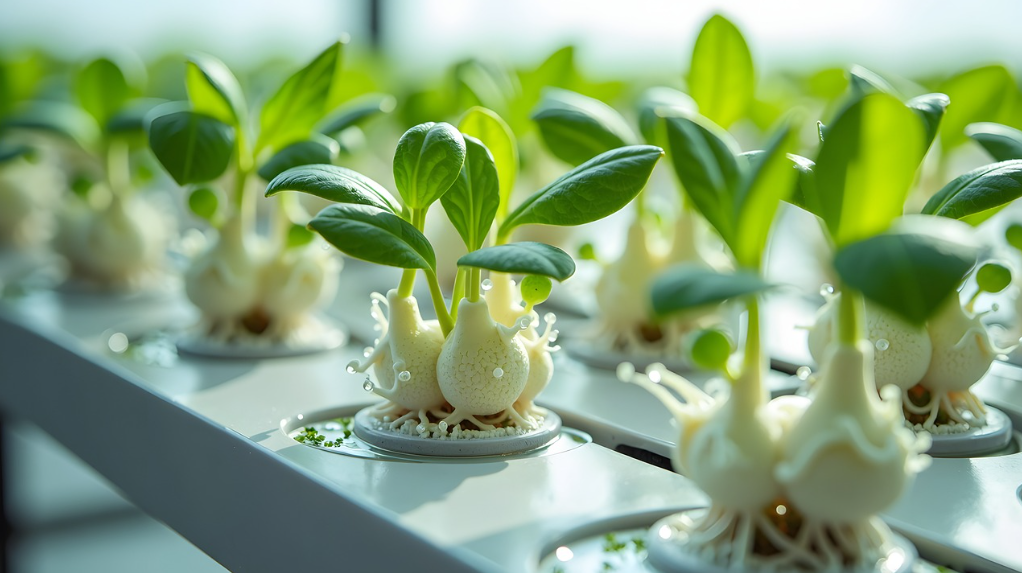
Hydroponic and substrate-based growing systems can both produce uniform, high-value crops. They use water, nutrients, oxygen, and irrigation timing differently.
A good fertigation controller reflects those differences. Deep-water culture, nutrient film technique, and substrate-based crops each need a unique balance of EC, pH, oxygen, flow, moisture, and irrigation timing.
Start with the Root Zone
The root zone should guide every fertigation decision. In deep-water culture, roots sit in a shared nutrient reservoir. In NFT systems, roots receive a thin, flowing stream of nutrient solution. In substrate-based systems, roots grow in media that store water, air, and nutrients between irrigation events.
This changes how quickly plants respond to a problem. A pH or EC shift in a deep-water reservoir can affect every plant connected to that loop. A dry zone in coco or rockwool may affect one bench, row, or valve group first.
A strong automation platform does not treat these systems as interchangeable. It gives each crop zone its own control logic.
Deep-Water Culture Control Needs
Deep-water culture, or DWC, requires the most attention to solution quality. Roots remain submerged, so the nutrient solution must provide water, nutrients, and oxygen at the same time.
DWC systems use air pumps, diffusers, or other aeration tools to keep oxygen available in the water. If oxygen levels drop, root activity slows, and the chance of root disease rises.
The controller should track:
- Reservoir EC and pH
- Water temperature
- Dissolved oxygen
- Water level
- Pump and aeration status
EC and pH can change quickly as plants use water and nutrients. An automated system can flag drift early, add fresh water, adjust nutrient injection, or alert staff before the full reservoir falls out of range.
NFT Requires Stable Flow
Nutrient film technique, or NFT, uses a shallow stream of nutrient solution flowing through channels. Roots sit partly in the stream and partly in the air space above it.
That design gives NFT roots good access to oxygen, but it also makes the system highly dependent on steady flow. A blocked channel, pump issue, or power loss can affect roots much faster than in a substrate system.
NFT control systems should manage continuous circulation. They should also monitor supply and return flow, reservoir level, EC, pH, and water temperature.
A controller can use flow alarms to alert staff if a pump fails or a channel stops receiving solution. It can also compare supply and return EC to show how the crop is changing the solution as it moves through the system.
Substrate Systems Need Irrigation Events
Substrate-based systems use media such as rockwool, coco coir, peat blends, or perlite. The media holds moisture and air between irrigation events, giving growers more control over when the crop receives water and nutrients.
Unlike DWC and NFT, substrate systems do not rely on a constant nutrient stream. They use short, planned irrigation shots that match plant size, light levels, crop stage, and root-zone conditions.
A substrate control system should manage:
- Shot timing and volume
- Feed EC and pH
- Root-zone moisture
- Root-zone EC and temperature
- Drain volume and drain EC
CCS’s soil and substrate moisture sensor measures moisture, EC, and temperature in growing media. This sensor helps growers see when the root zone needs water rather than relying only on a timer.
EC Management Across Systems
EC measures the total concentration of dissolved fertilizer salts. Each crop and growth stage needs its own target range, but EC behavior changes by system.
In DWC, the reservoir EC changes as plants take up water and nutrients. The controller should measure the solution often and make small corrections instead of waiting for a large swing.
In NFT, EC should stay stable from the supply side through the return line. A wide gap between those readings may show heavy crop uptake, low flow, or an issue within the channels.
In substrate systems, feed EC alone doesn’t tell the full story. A crop may receive a correct feed recipe while salts build up in the media. Tracking drain EC and root-zone EC helps growers spot that trend early.
Oxygen and Water Temperature
Oxygen needs vary by system. DWC has the greatest need for active aeration since roots stay in solution. NFT receives oxygen from the shallow flow and air around the roots, though warm water and poor circulation can still lower oxygen availability.
Substrate systems rely on air-filled spaces in the media. Too much irrigation can fill those spaces with water, reducing oxygen around the roots. Dryback periods between irrigation events help restore air space, but the timing must fit the crop and media.
Water temperature affects all three systems. Warm solution holds less dissolved oxygen and can raise root stress. Automation platforms should monitor reservoir temperature and alert staff when conditions move away from the crop’s preferred range.
One Platform, Different Logic
A single fertigation computer can manage all three systems, but it should not apply one schedule to every crop. DWC needs reservoir-focused control. NFT needs constant flow and return-line monitoring. Substrate systems need event-based irrigation with root-zone feedback.
The Fertigation Manager™ supports EC, pH, flow, and substrate sensor inputs, helping commercial greenhouse growers build control plans that fit each production method. With the right inputs and zone settings, the same platform can protect root health, limit nutrient waste, and make daily irrigation work more predictable. Contact CCS today for your fertigation solutions.
Ready to build a more reliable irrigation program? Contact Climate Control Systems to discuss a fertigation platform that can adapt to deep-water, NFT, and substrate-based growing systems while helping your team protect root-zone health and crop quality.